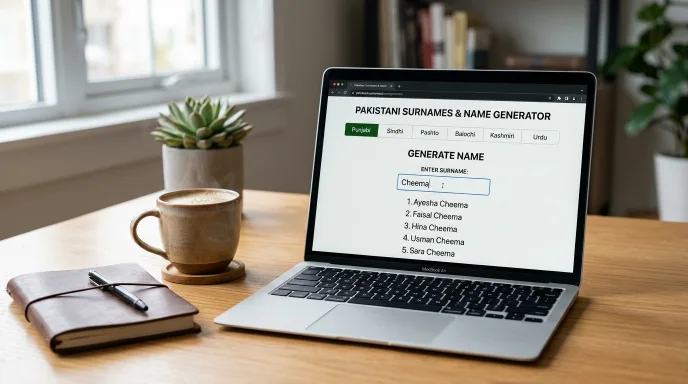

Quick Answer: Unique Pakistani names typically come from four sources: Quranic and Islamic roots, regional traditions (Punjabi, Sindhi, Pashto, Balochi, Kashmiri), Persian/Urdu influence, and modern hybrid names blending tradition with a fresh sound. Below you’ll find real examples across each category, with meanings, plus a free tool to generate hundreds more instantly.
Scrolling through the same ten names on every “top Pakistani names” list gets old fast. If you’re looking for something that actually stands out — not the fifth “Ali” or “Fatima” on the page — this guide breaks down where unique Pakistani names actually come from, so you can pick something meaningful instead of just familiar.
Why “Unique” Doesn’t Mean Random
A name can be uncommon without being made up. The most distinctive Pakistani names usually come from one of a few real sources, not from randomly combining syllables:
- Regional roots — a Sindhi or Balochi name will sound completely different from a name common in Punjab, even though both are “Pakistani.”
- Classical Islamic and Quranic names — many feel fresh again simply because they’ve fallen out of everyday use.
- Persian-Urdu poetic names — often carry a meaning tied to nature, light, or virtue, giving them a lyrical quality.
- Modern hybrid names — a newer wave of names that blend a traditional root with a shorter, more contemporary sound.
Understanding which category a name comes from makes it much easier to judge whether it’ll actually suit your family or story — and it’s the same logic our Pakistani Name Generator uses under the hood, letting you filter by exactly these regional traditions instead of getting one blended list.
Unique Pakistani Boy Names
Classical and Quranic Picks
- Ibrahim — meaning “father of nations,” a Quranic name with deep historical roots
- Musa — meaning “one who is drawn out,” carrying a strong, timeless quality
- Zayd — meaning “growth” or “abundance,” short but historically significant
- Uwais — a name tied to a well-known companion in early Islamic history, still fairly rare today
Regional and Modern Picks
- Sarmad (Urdu/Persian) — meaning “eternal”
- Rohail (Punjabi-influenced) — a modern name with a soft, distinctive sound
- Zorawar (Punjabi) — meaning “powerful” or “strong,” carrying regional weight
- Behram (Persian-rooted) — meaning “victorious,” used across parts of South Asia
If you want to explore names filtered specifically by region — Punjabi, Sindhi, Pashto, Balochi, or Kashmiri — rather than a single mixed list, the Pakistani Name Generator lets you narrow results exactly that way, plus attach a surname to see the full name at once.
Unique Pakistani Girl Names
Classical and Quranic Picks
- Safiyya — meaning “pure” or “chosen friend”
- Ruqayyah — a historically significant Quranic name, still relatively uncommon today
- Zulaikha — meaning “brilliant” or “beautiful,” carrying strong poetic weight
- Asiya — meaning “one who heals” or “comforts”
Regional and Modern Picks
- Anaya (modern Urdu) — meaning “care” or “concern,” popular but still distinctive
- Rania (Persian-Urdu) — meaning “queenly” or “gazer”
- Meerab (modern hybrid) — a softer, contemporary name with poetic undertones
- Sohni (Punjabi) — meaning “beautiful,” tied to Punjabi folklore
Names With Especially Strong Meanings
If meaning matters more to you than sound, a few names stand out for how directly their meaning translates:
| Name | Gender | Meaning | Origin |
|---|---|---|---|
| Sabr | Unisex-leaning | Patience | Arabic/Urdu |
| Karam | Boy | Generosity, kindness | Urdu/Islamic |
| Amaan | Boy | Peace, safety | Urdu/Islamic |
| Noor | Girl | Light | Arabic/Urdu |
| Wafa | Girl | Loyalty | Urdu/Persian |
| Sabreen | Girl | Patient, enduring | Urdu/Islamic |
Old Pakistani Names Making a Comeback
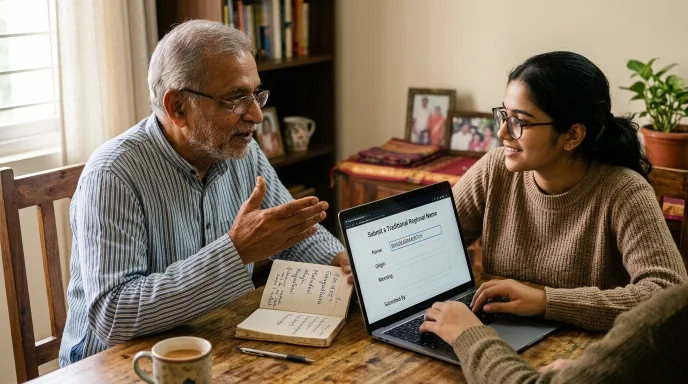
There’s a pattern worth knowing: names that felt “old-fashioned” a generation ago are often the ones that read as unique today, simply because fewer people are using them right now. Names like Barkat (blessing), Rasheeda (rightly guided), and Ehsan (excellence) fall into this category — they were common decades ago, faded from everyday use, and now stand out precisely because they’re less expected.
This is one of the more useful filters in the Pakistani Name Generator, where selecting the “Old / Classic” category surfaces exactly these kinds of names instead of only the current trending list.
How to Actually Pick One
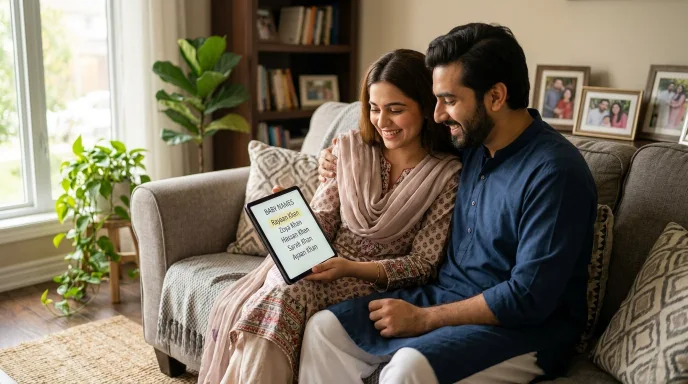
- Say it with the surname first. A name that sounds great alone can feel awkward with a specific family surname attached — always test the full combination before deciding.
- Check the meaning in more than one language if it matters to you. A meaning that reads well in English doesn’t always carry the same weight in Urdu or Punjabi phrasing.
- Don’t rule out regional names because they’re unfamiliar. Some of the most distinctive options come from Sindhi, Balochi, or Kashmiri traditions that rarely show up on generic “Pakistani names” lists.
- Separate sound from meaning, then weigh both. Some names win on how they sound, others on what they mean — decide which matters more to you before falling for the first pretty-sounding option.
What Trips People Up
- Choosing a name without checking regional pronunciation. The same spelling can be read differently depending on regional dialect.
- Picking a name that’s technically unique but hard to say out loud. Distinctive doesn’t have to mean difficult — most of the strongest picks above are still easy to pronounce.
- Ignoring how a name pairs with a middle name or surname. This is one of the most overlooked steps, and it’s exactly why testing the full combination matters before finalizing anything.
- Assuming “popular” and “unique” are opposites. Plenty of names are both meaningful and still fairly common — uniqueness isn’t the only factor worth chasing.
Quick Answers to Common Questions
What are some unique Pakistani girl names? Names like Safiyya, Zulaikha, Meerab, and Sohni stand out for combining strong meanings with a distinctive, less commonly used sound.
What are the top names in Pakistan right now? Trending picks shift regularly, but names blending Islamic roots with a modern, shorter sound — like Anaya, Zayd, and Rania — tend to stay popular across regions.
What’s a common Pakistani name with a strong meaning? Noor (light), Amaan (peace), and Karam (generosity) are widely used names that carry clear, direct meanings across Urdu and Arabic roots.
Are old Pakistani names coming back into use? Yes. Names that were common a generation ago, like Barkat or Ehsan, are increasingly chosen again because they now feel distinctive rather than dated.
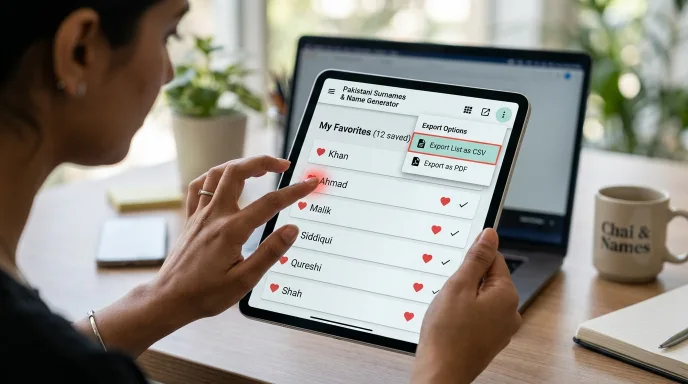
How do I find names specific to a Pakistani region like Sindh or Balochistan? A region-specific filter is the fastest way — tools like the Pakistani Name Generator let you narrow results to Sindhi, Balochi, Pashto, Punjabi, or Kashmiri traditions directly.
Can I see how a name looks with a surname attached before deciding? Yes, most generator tools let you attach a father’s name or surname as a prefix or suffix so you can preview the full name before finalizing it.
Wrapping Up
The most unique Pakistani names usually aren’t invented — they’re simply the ones fewer people are using right now, drawn from real regional, classical, or modern sources. Whether you’re drawn to a Quranic classic, a Punjabi folk name, or a fresh modern hybrid, the goal is the same: something meaningful that still feels distinct. For a broader list across every region and category covered here, explore the full Culture & Religion Name Generators hub or generate more options directly with the Pakistani-specific tool above.