

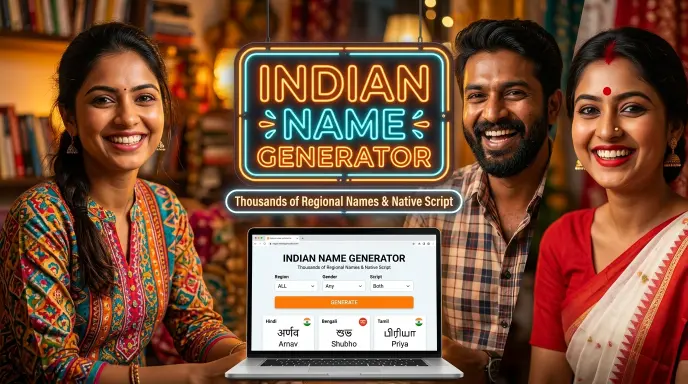
Indian Surnames by Caste: A Historical Overview
Quick Answer: Many Indian surnames historically developed alongside caste and community identity, often originating from an occupation, a regional title,
Quick Answer: Many Indian surnames historically developed alongside caste and community identity, often originating from an occupation, a regional title,
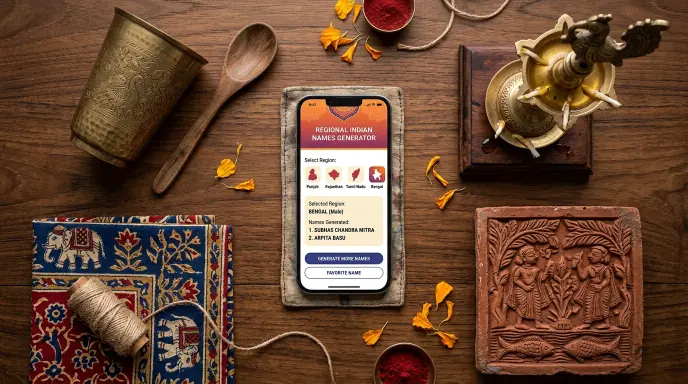
Quick Answer: Indian surnames generally trace back to one of four sources — region or place of origin, occupation or

Quick Answer: Indian boy names draw from dozens of regional and linguistic traditions — Sanskrit-rooted names common across North India,
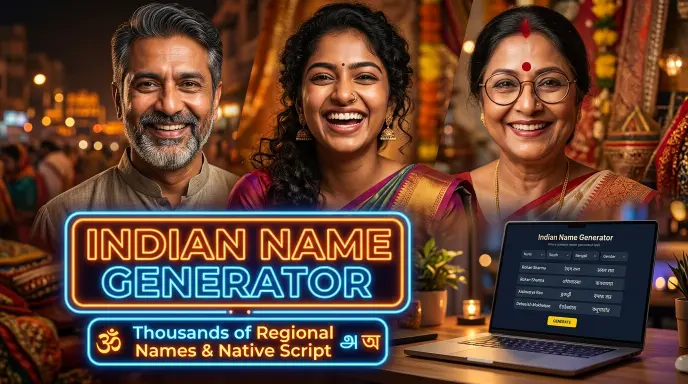
Quick Answer: Indian girl names draw from dozens of regional and linguistic traditions — Sanskrit-rooted names common across North India,
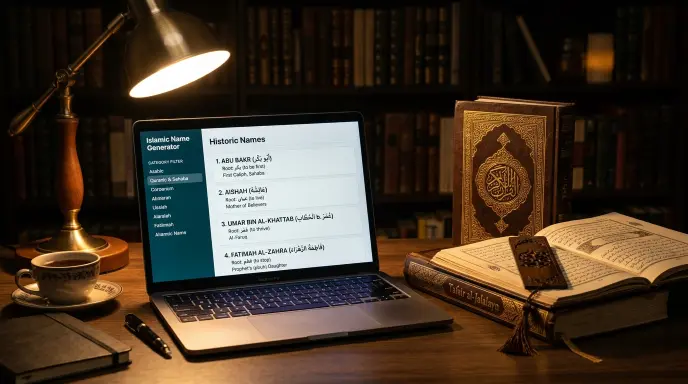
Quick Answer: Muslim names generally fall into three groups — names appearing directly in the Quran, names of the Prophet’s

Quick Answer: Traditional Arabic naming isn’t built around a single fixed “last name” the way Western naming is. Instead, it’s
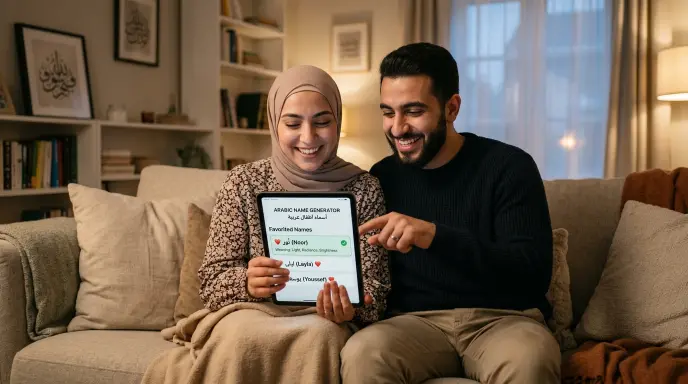
Quick Answer: Arabic boy names generally draw from four sources — Quranic names, names of the Prophet’s companions (Sahaba), Classical
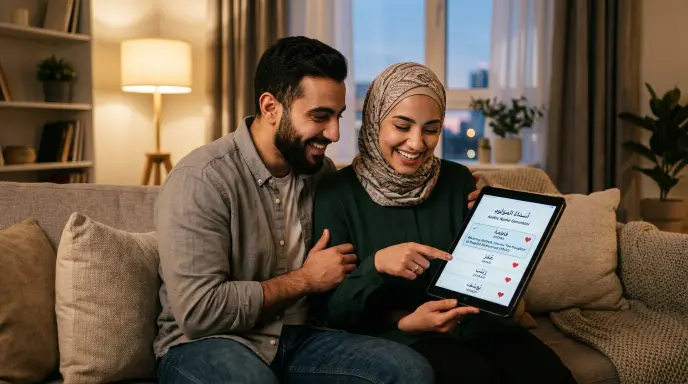
Quick Answer: Arabic girl names generally draw from four sources — Quranic names, names of historically significant women in early
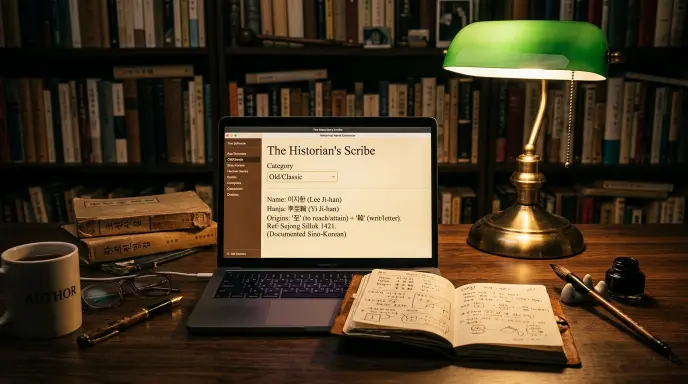
Quick Answer: Korean boy names are typically two-syllable given names built from hanja (Chinese-derived characters) chosen for meanings like talent,

Quick Answer: Korean girl names are typically two-syllable given names, most often built from hanja (Chinese-derived characters) chosen for meanings