

Quick answer: To name your brand, separate the idea from your legal business name, brainstorm around a core concept or feeling rather than a literal description, generate and compare a wide batch of options, then test your shortlist for pronunciation, memorability, and availability before committing. A brand name works best when it’s built to grow with you, not just describe what you sell today.
A lot of people treat their brand name and their business name as the same thing. Sometimes they are. But a brand name has a different job to do, it needs to be memorable, flexible, and able to carry an entire identity, logo, tone, packaging, website, everything. Here’s how to actually build one on purpose.

Brand Name vs. Business Name: Why the Distinction Matters
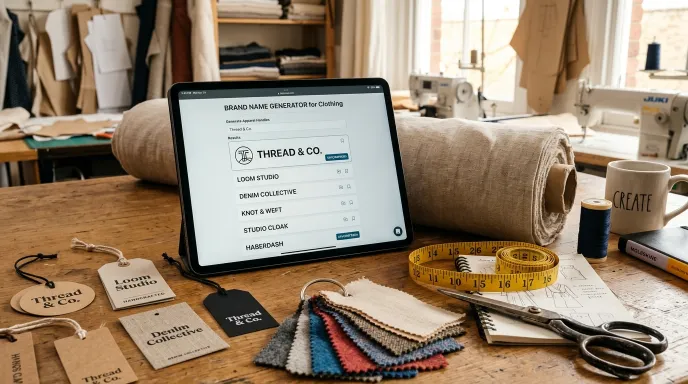
Your legal business name is mostly administrative, it’s what shows up on registration paperwork, tax documents, and contracts. Your brand name is what customers actually see, say, and remember.
They can absolutely be the same word. But separating the two in your head while naming gives you more freedom. A business name needs to be clear and compliant. A brand name needs to be distinctive and memorable, which sometimes means it’s shorter, more abstract, or more stylized than a strict business name would be.
Step 1: Define What Your Brand Actually Stands For
Before generating a single name, get clear on a few things:
- What feeling should your brand create? Trustworthy and premium? Fun and approachable? Bold and disruptive?
- Who’s your audience? A name that resonates with a luxury audience often reads differently than one built for a casual, everyday market.
- What sets you apart from competitors? Your brand name doesn’t need to describe this directly, but it should feel aligned with it.
This step matters because it’s the difference between generating names randomly and generating names that actually fit a direction.
Step 2: Brainstorm Around a Concept, Not a Description
The most common naming mistake is picking a name that just describes the product literally, “Fresh Bakery,” “Quick Repairs,” and so on. These names work, but they rarely stand out, and they can box you in if you expand later.
Instead, try brainstorming around:
- A feeling (calm, energy, warmth, precision)
- An abstract or invented word that sounds right even without an obvious meaning
- A metaphor connected to your industry without naming it directly
Step 3: Generate a Wide Batch, Then Narrow
Trying to invent the perfect brand name from a blank page rarely works well. It’s much faster to generate a large batch of real options and react to them.
This is where a dedicated brand name generator is genuinely useful. Type in your core keyword or a short description of your brand, and you’ll get a batch of options instantly, both a short, brandable version and a fuller, company-style version of each idea, so you can compare directions side by side instead of imagining them.
A few things worth trying while you generate:
- Test a few different keywords, not just one, small changes in input can lead to very different naming directions.
- Compare the short form against the long form for the same core idea, sometimes the compact version is stronger; sometimes the fuller one reads better.
- If you want a specific starting letter for domain or logo reasons, filter for it directly.
Step 4: Test Your Shortlist
Once you’ve narrowed things down to five or ten names, run each one through this quick test:
- Can you say it clearly in one breath? If it trips over itself out loud, that’s a problem.
- Would someone spell it correctly after hearing it once? Unusual spellings can hurt word-of-mouth and search visibility.
- Does it still work if your brand expands? A name too tied to one specific product or service can limit you later.
- Does it feel distinct from your closest competitors? A name too similar to an existing brand creates confusion, not distinction.
Whatever survives all four is a strong candidate.
Step 5: Check Availability Before You Commit
Before finalizing anything, check:
- Domain availability, ideally a close match to your brand name.
- Trademark status, especially within your specific industry.
- Social media handles, even if you’re not active everywhere yet, consistent handles help later.
Treat any quick, built-in availability estimate as a starting point only, always confirm directly with a domain registrar and trademark search before you commit fully.
What Trips People Up
- Picking a name that only makes sense today. A name tightly tied to your current product line can hold you back if you expand your offering later.
- Choosing something too close to a competitor’s name. Even unintentional similarity creates confusion and can raise legal issues.
- Ignoring how the name sounds, not just how it looks. A name that reads well in text can still be awkward or unclear when spoken aloud.
- Settling on the first list you generate. The strongest option is rarely in your first batch. Adjust your keyword and generate a few more rounds before deciding.
- Overcomplicating it with too many stylized elements. Unusual spellings, symbols, or unnecessary complexity can hurt searchability and make the name harder to share verbally.
Brand Naming Approaches at a Glance
| Approach | Example Direction | Best For |
|---|---|---|
| Descriptive | Directly describes the product or service | Clarity-first industries, local services |
| Evocative | Built around a feeling or concept | Lifestyle, wellness, creative brands |
| Invented | A made-up word that sounds right | Tech, startups, brands wanting full ownership of a name |
| Compound | Two real words combined | Modern, tech-forward brands |
| Founder-based | Built around a personal or founder name | Personal brands, boutique or artisan businesses |
Can You Change Your Brand Name Later?
Yes, and plenty of brands do. Rebranding is more common than people assume, sometimes a company outgrows its original name, expands into new markets the old name doesn’t fit, or simply wants a fresher identity as it matures.
That said, rebranding has real costs, new domain, new marketing materials, lost brand recognition, and potential customer confusion during the transition. It’s worth naming carefully upfront specifically to avoid an unnecessary rebrand down the line, but it’s also worth knowing this isn’t a permanent, unchangeable decision if your business genuinely outgrows its current name. Building some flexibility into your name from the start, avoiding anything too narrowly tied to one product or location, reduces the odds you’ll need to revisit this decision at all.
Building a Full Identity Around Your Chosen Name
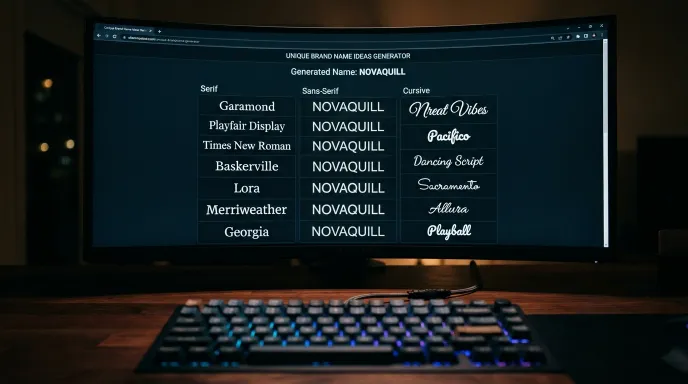
Once you’ve landed on a brand name, naming isn’t quite finished. A complete brand identity usually includes a matching visual style for how that name appears in a logo, a consistent way to sign off communications, and sometimes a stylized version of the name for animated or digital use. Thinking about these pieces together, rather than treating the name as a totally separate decision, tends to produce a more cohesive result than bolting them together after the fact.
Quick Answers to Common Questions
What are good brand names? Good brand names are short, easy to pronounce, memorable, and distinct from competitors in the same space. They don’t need to describe the product literally, what matters more is that they’re easy to say, spell, and recall.
What’s a catchy name? A catchy name usually has rhythm, is short enough to remember after hearing it once, and feels a little unexpected without being confusing. Testing a shortlist out loud is one of the fastest ways to spot which options are genuinely catchy versus just pleasant-sounding.
What is a brand name example? A strong brand name example typically falls into one of a few patterns, an invented word (short and ownable), a compound of two real words, or an evocative word tied to a feeling rather than a literal product description. The right example depends heavily on your specific industry and audience.
Should my brand name match my business’s legal name exactly? Not necessarily. Many businesses operate under a brand name that differs from their registered legal name, this is common and usually just requires filing a “doing business as” registration where required.
How long should the brand naming process take? Most people can go from a blank page to a shortlist of strong candidates within a day or two if they follow a structured process, defining the brand’s direction first, generating a wide batch of options, then testing and checking availability on the shortlist.
Wrapping Up
A brand name isn’t something you stumble into, it’s a decision you can make deliberately: get clear on your direction, generate a wide range of real options, test your shortlist against a few practical checks, and confirm availability before committing. If you want to skip straight to the generating step, the free brand name generator gives you both a short and a long form option for every idea, so you can compare directions instantly.
For more free tools to build out your complete brand identity, from signatures to logo naming, explore the full Business Naming & Branding Tools collection, or head straight to the brand name generator to start generating.
Written by Waseem Aijaz, WordPress Developer and SEO Specialist. Connect on LinkedIn.