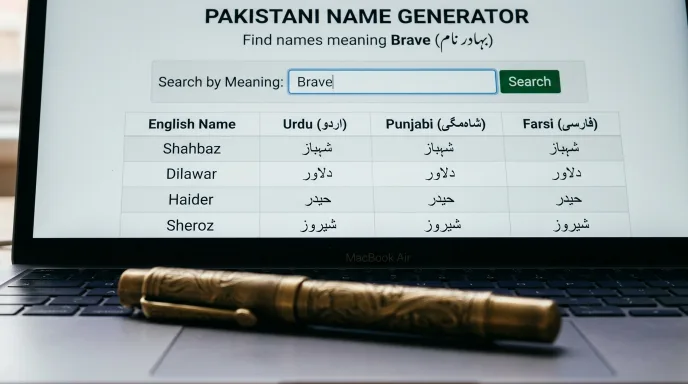

Quick Answer: Unique Japanese boy names typically come from five sources — nature imagery, historical/samurai-era readings, mythological or noble roots, seasonal references, and modern anime-inspired names. Below you’ll find real examples across each category, complete with kanji and meaning, plus a free tool to generate more.
Scrolling through the same handful of names — Haruto, Yuto, Ren — on every generic list gets repetitive fast. If you’re after something that actually stands out, this guide breaks down where unique Japanese boy names genuinely come from, organized by the same categories a well-built name database actually uses, not a random blended list.
Why Category Matters More Than You’d Think
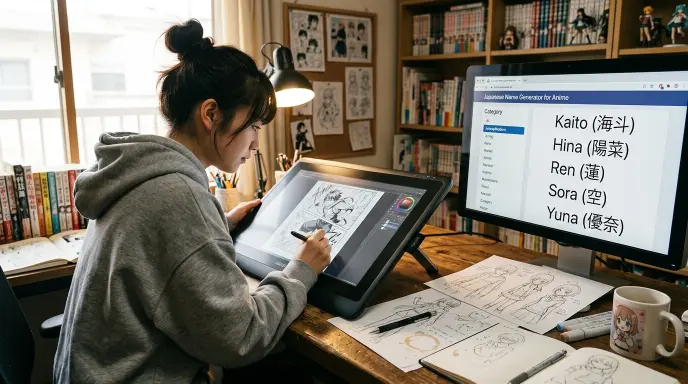
Japanese naming isn’t one style — it’s several distinct traditions layered together. A name pulled from Historical/Samurai readings will sound completely different from a name built for a modern anime character, even if both are technically “Japanese.” Knowing which category a name belongs to makes it far easier to judge whether it fits what you’re actually looking for — a newborn, a fictional character, or a username.
- Historical/Samurai names — older readings, often tied to real historical figures or feudal-era naming conventions
- Nature names — built around elements like mountains, rivers, trees, or wind
- Noble/Royal names — names historically associated with aristocracy or imperial lineage
- Seasonal/Element names — tied to a specific season, weather, or natural element
- Modern/Anime names — contemporary readings that feel current rather than archaic
This is the same logic our Japanese Name Generator uses under the hood, letting you filter by exactly these categories instead of getting one blended list of results.
Unique Historical and Samurai-Era Names
- Musashi (武蔵) — an old province name, carrying instant historical weight tied to legendary swordsmen
- Kenshin (謙信) — meaning “humble trust,” with strong samurai-era resonance
- Nobunaga-style readings — names built from kanji meaning “expand” or “prosperity,” reflecting feudal-era naming conventions
- Takeshi (武) — meaning “warrior,” a classic Shōwa-era name that still reads as strong and traditional
Names in this category work well for historical fiction, period settings, or anyone drawn to a name with centuries of continuous use behind it.
Unique Nature-Inspired Names
- Kaede (楓) — meaning “maple,” unisex-leaning and elegant
- Ren (蓮) — meaning “lotus,” minimal and modern in feel despite its natural imagery
- Itsuki (樹) — meaning “tree,” unisex-leaning with a grounded, simple quality
- Hayate (疾風) — meaning “gale” or “swift wind,” carrying a sense of motion and energy

Nature names tend to age well because their meaning stays timeless, regardless of naming trends.
Unique Noble and Mythological Names
- Yamato (大和) — the ancient name of Japan itself, carrying the deepest possible historical roots
- Ryūnosuke (龍之介) — meaning “dragon” plus an honorific ending, with strong literary pedigree
- Jin (仁) — meaning “benevolence,” a single-kanji name with Confucian weight
- Raiden (雷電) — meaning “thunder and lightning,” tied to storm-god imagery
These names carry a formal, elevated tone — well suited to characters or contexts calling for gravity rather than a casual, everyday feel.
Modern and Anime-Style Unique Names
- Sōta (颯太) — meaning “swift wind” plus “big,” a popular modern choice
- Minato (湊) — meaning “harbor,” short and contemporary
- Yūto (悠人) — meaning “calm, distant” plus “person,” a soft modern reading
- Kaito (海斗) — meaning “sea” plus a star-related kanji, a name with 2000s-era popularity that still feels current
If you’re naming a character for an anime-style story or a game, this category tends to read the most natural to contemporary audiences.
Names Often Searched for “Dark” Meanings
Some searches look specifically for Japanese boy names with a darker or more intense tone. Rather than chasing a literal “dark” meaning, most names that read this way lean on intensity or edge instead of anything ominous:
| Name | Kanji | Meaning | Tone |
|---|---|---|---|
| Yoru | 夜 | Night | Modern, deliberately edgy |
| Homura | 焔 | Blaze, flame | Fire as a single character |
| Shinobu | 忍 | Endurance, stealth | The kanji found in “shinobi” |
| Arashi | 嵐 | Storm | Nature with menace |
These names carry weight through imagery and sound rather than any literal negative meaning — worth knowing if you want something intense without it actually translating to something unfortunate.
How to Choose the Right One
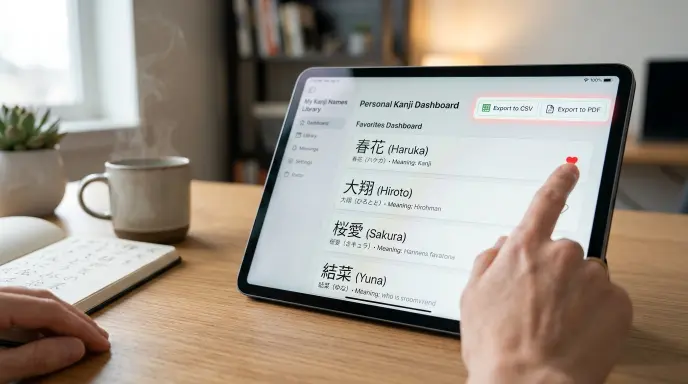
- Decide on tone before sound. Historical, natural, noble, and modern names each carry a different feel — pick the category first, and the search narrows fast.
- Check the kanji, not just the romanized spelling. The same sound can be written with different kanji carrying entirely different meanings — always confirm which version you’re looking at.
- Say it with a surname if one applies. A name that reads well alone can feel different once a family name is attached — test the full combination before deciding.
- Match the era to the context. A Shōwa-era classic name works differently in a modern setting than a period drama — make sure the register fits your purpose.
Where People Go Wrong
- Picking a name for its “cool” sound without checking the kanji meaning. Two names can sound almost identical while carrying completely different meanings depending on the kanji used.
- Mixing eras without realizing it. Pairing a strictly Shōwa-era classic name with a modern setting (or vice versa) can feel inconsistent once you notice the mismatch.
- Assuming every unique-sounding name is rare in Japan. Some names that feel unusual to English speakers are actually quite common — checking the category and popularity context helps set expectations.
- Overlooking the surname order. Japanese names traditionally place the family name first — worth deciding early whether you’re following that convention or a Western-style order.
Questions People Ask
What are rare Japanese names? Names built from single, less commonly used kanji — or older Historical/Samurai-era readings that have fallen out of everyday use — tend to be the rarest, since most popular modern names cluster around a smaller set of trending kanji.
What is a strong Japanese boy name? Names like Takeshi (warrior), Kenshin (humble trust), and Jin (benevolence) are often considered strong due to both their meaning and their historical, samurai-era associations.
What are cool Japanese nicknames or short names? Single-kanji names such as Ren, Rin, and Jin read as especially cool due to their brevity and the weight carried by just one character.
Are there Japanese boy names with dark or intense meanings? Names like Yoru (night) and Homura (blaze) lean intense through imagery rather than a literal negative meaning, offering an edgier tone without an unfortunate translation.
How do I choose a unique Japanese name for a character? Start by deciding the era and tone you need — historical, modern, noble, or nature-based — then narrow by kanji meaning rather than sound alone for the most consistent result.
Can I see the kanji and meaning for these names, not just the romanized version? Yes, the Japanese Name Generator shows kanji and documented meanings alongside every generated name, filterable by exactly these categories.
Final Thoughts
The most unique Japanese boy names usually aren’t randomly assembled — they come from a specific tradition, whether that’s samurai-era history, nature imagery, noble lineage, or a modern anime-inspired reading. Once you know which category actually fits what you’re looking for, finding a name that stands out gets much easier. For hundreds more options filtered by category, gender, and starting letter, the Japanese Name Generator covers all five traditions in one place, and the wider Culture & Religion Name Generators hub covers naming traditions from other countries as well.