

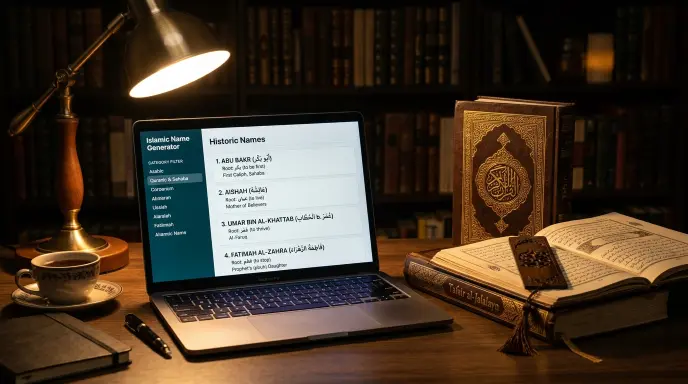
Muslim Names A to Z: Boys, Girls, and Quranic Meanings
Quick Answer: Muslim names generally fall into three groups — names appearing directly in the Quran, names of the Prophet’s
Quick Answer: Muslim names generally fall into three groups — names appearing directly in the Quran, names of the Prophet’s

Quick Answer: Traditional Arabic naming isn’t built around a single fixed “last name” the way Western naming is. Instead, it’s
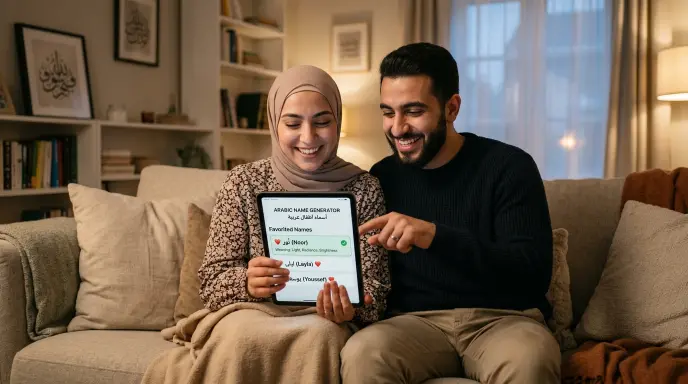
Quick Answer: Arabic boy names generally draw from four sources — Quranic names, names of the Prophet’s companions (Sahaba), Classical

Quick Answer: Arabic girl names generally draw from four sources — Quranic names, names of historically significant women in early

Quick Answer: Korean boy names are typically two-syllable given names built from hanja (Chinese-derived characters) chosen for meanings like talent,

Quick Answer: Korean girl names are typically two-syllable given names, most often built from hanja (Chinese-derived characters) chosen for meanings

Quick Answer: American boy names span a genuinely wide mix of traditions — English, Irish, German, African-American, Native American, and

Quick Answer: American girl names draw from a genuinely wide mix of traditions — English, Irish, German, African-American, Native American,

Quick Answer: Japanese girl names generally draw from five traditions — nature and light imagery, seasonal references, noble or classical
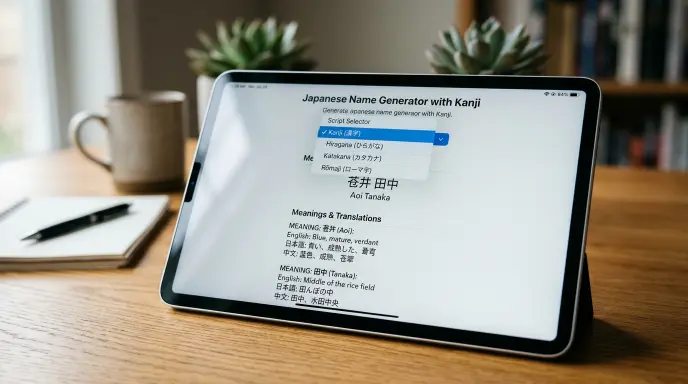
Quick Answer: Unique Japanese boy names typically come from five sources — nature imagery, historical/samurai-era readings, mythological or noble roots,